Lablab purpureus
hyacinth bean
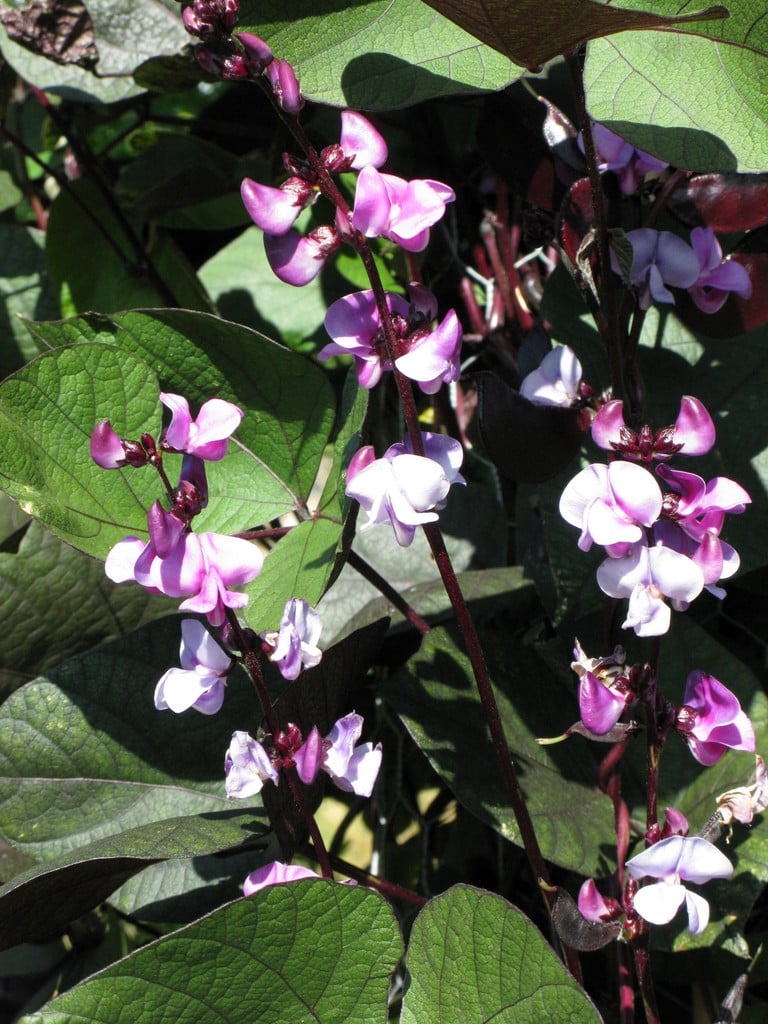
A fast-growing, twining perennial climber with mid- to dark green leaves with three leaflets up to 15cm long. In summer and autumn it produces sprays of fragrant, purple or white pea-like flowers, followed by edible green pods often flushed with purple
Size
Ultimate height
2.5–4 metresTime to ultimate height
2–5 yearsUltimate spread
0.5–1 metresGrowing conditions
Moisture
Moist but well–drained, °Â±ð±ô±ô–d°ù²¹¾±²Ô±ð»åpH
Acid, Alkaline, NeutralColour & scent
| Stem | Flower | Foliage | Fruit | |
| Spring | Green | |||
|---|---|---|---|---|
| Summer | Purple White | Green | ||
| Autumn | Purple White | Green | Green Purple | |
| Winter |
Position
- Full sun
Aspect
South–facing or °Â±ð²õ³Ù–f²¹³¦¾±²Ô²µ
Exposure
Sheltered Hardiness
H1CBotanical details
- Family
- Fabaceae
- Native to GB / Ireland
- No
- Foliage
- Deciduous
- Habit
- Climbing
- Genus
Lablab are short-lived, herbaceous, perennial climbers with twining stems, leaves composed of three leaflets and fragrant, pea-like flowers followed by edible pods
- Name status
Correct
- Plant range
- Tropical Africa
How to grow
Cultivation
Can be grown as a tender annual outdoors, but needs a long summer to crop well. Alternatively grow under heated glass in peat-free, loam-based potting compost in full light, and liquid feed every two weeks until flowering
Propagation
Propagate by seed
Suggested planting locations and garden types
- Cottage and informal garden
- Patio and container plants
Pruning
Pruning group 11, in spring
Pests
Generally pest-free
Diseases
Generally disease-free
¶¶ÒõÊÓƵ
¶¶ÒõÊÓƵ is the UK’s leading gardening charity. We aim to enrich everyone’s life through plants, and make the UK a greener and more beautiful place.