Vitis vinifera 'Siegerrebe' (O/W/D)
grape 'Siegerrebe'
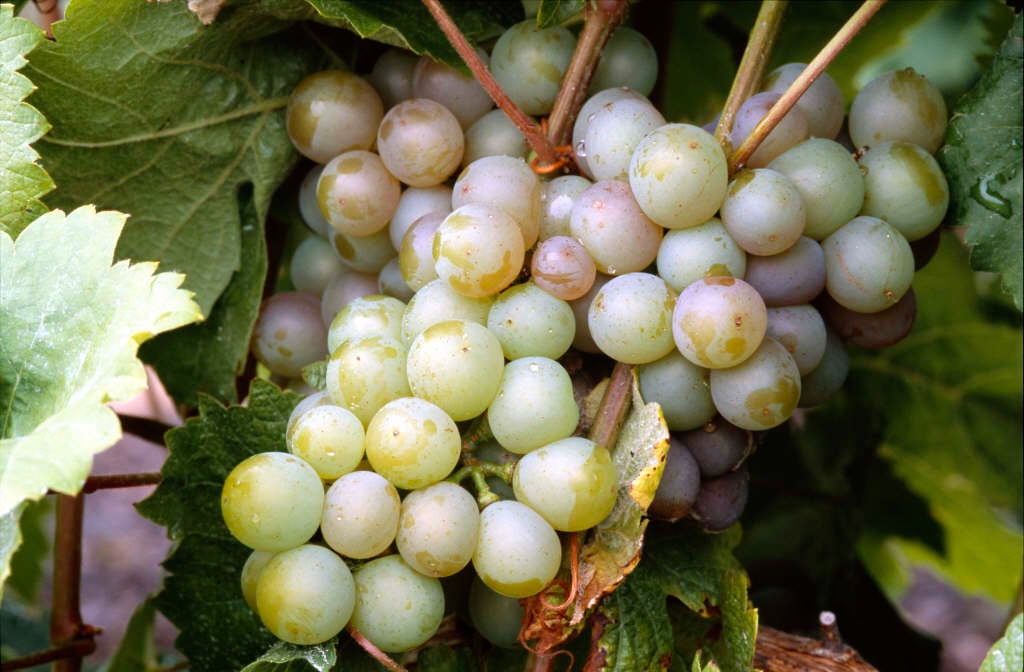
Reliable, intensely aromatic white grape for outdoor cultivation, producing early autumn yields of honey-coloured, small fruits that ripen to red then deep pink with a spicy sweetness for wine-making, pressed juice or as a dessert grape
Buy this plant
Size
Ultimate height
8–12 metresTime to ultimate height
5–10 yearsUltimate spread
2.5–4 metresGrowing conditions
Moisture
°Â±ð±ô±ô–d°ù²¹¾±²Ô±ð»åpH
Alkaline, NeutralColour & scent
| Stem | Flower | Foliage | Fruit | |
| Spring | Green | |||
|---|---|---|---|---|
| Summer | Green | Green | ||
| Autumn | Green Yellow | Brown Pink | ||
| Winter |
Position
- Full sun
Aspect
South–facing or °Â±ð²õ³Ù–f²¹³¦¾±²Ô²µ
Exposure
Sheltered Hardiness
H5Botanical details
- Family
- Vitaceae
- Native to GB / Ireland
- No
- Foliage
- Deciduous
- Habit
- Climbing
- Potentially harmful
- Pets (dogs): Harmful if eaten whether fruits are edible or ornamental - for further information and contact numbers regarding pets, see the HTA guide to potentially harmful plants
- Genus
Vitis are vigorous deciduous climbing shrubs with tendrils and attractively lobed leaves, insignificant green flowers followed by often edible fruits; some have excellent autumn foliage colour
- Name status
Accepted
- Horticultural Group
- Suitable for outdoor cultivation
How to grow
Cultivation
Grow outdoors in full sun, in well-drained, humus-rich soil, preferably neutral to slightly alkaline, mulch to keep soil moist, and provide support; for more advice, see outdoor grape cultivation
Propagation
Propagate by hardwood cuttings in late autumn or winter, or by softwood cuttings or semi-ripe cuttings from late spring to midsummer or grafting onto Phylloxera resistant rootstocks
Suggested planting locations and garden types
- City and courtyard gardens
- Cottage and informal garden
- Mediterranean climate plants
- Climber and wall shrubs
- Edible fruit
- Wall side borders
Pruning
Pruning is required to encourage flowering and fruiting, and to increase air circulation and so reduce the risk of disease: see grape pruning and training
Pests
May be susceptible to grapevine blister mite, glasshouse red spider mite, brown scale, woolly vine scale and spotted wing drosophila (fruit fly) and may be susceptible to mealybugs under glass
Diseases
May be susceptible to powdery mildews, grey moulds, honey fungus and virus diseases. For further advice see grapevine diseases
¶¶ÒõÊÓƵ
The RHS is the UK’s gardening charity, helping people and plants to grow - nurturing a healthier, happier world, one person and one plant at a time.