Calamintha nepeta subsp. nepeta
lesser calamint
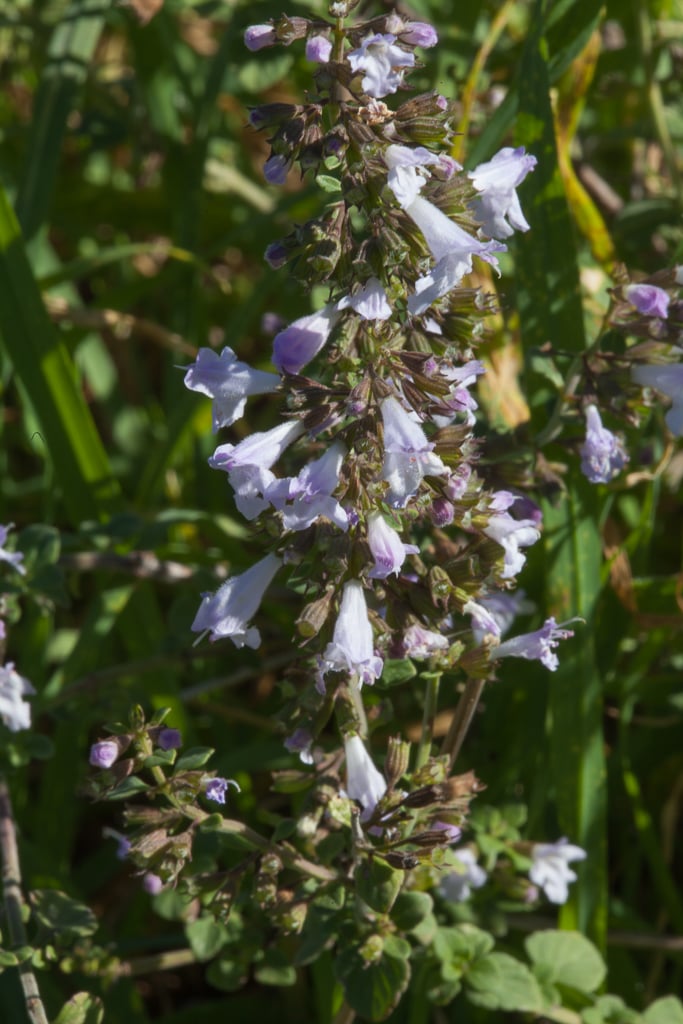
A compact, bushy semi-evergreen perennial, to 30cm tall, with aromatic, ovate grey-green leaves. Loose clusters of tiny, up to 1cm, tubular, two-lipped white flowers are borne from summer into early autumn
Size
Ultimate height
0.1–0.5 metresTime to ultimate height
1–2 yearsUltimate spread
0.1–0.5 metresGrowing conditions
Moisture
°Â±ð±ô±ô–d°ù²¹¾±²Ô±ð»åpH
Alkaline, NeutralColour & scent
| Stem | Flower | Foliage | Fruit | |
| Spring | Green | |||
|---|---|---|---|---|
| Summer | White | Green | ||
| Autumn | White | Green | ||
| Winter |
Position
- Full sun
Aspect
South–facing or West–facing or ·¡²¹²õ³Ù–f²¹³¦¾±²Ô²µ
Exposure
Exposed or ShelteredDrought resistance
Yes Hardiness
H5Botanical details
- Family
- Lamiaceae
- Native to GB / Ireland
- No
- Foliage
- Semi evergreen
- Habit
- Bushy
- Genus
Calamintha are pleasantly aromatic perennials with ovate leaves and loose clusters of small, 2-lipped flowers in summer and autumn in the axils of the upper leaves
- Name status
Correct
- Plant range
- N Africa, W Asia & Europe
How to grow
Cultivation
Prefers a well-drained soil and flowers best when grown in a warm, open position in full sun
Propagation
Propagate by seed or by division
Suggested planting locations and garden types
- City and courtyard gardens
- Gravel garden
- Wildlife gardens
- Coastal
- Cottage and informal garden
- Mediterranean climate plants
Pruning
Cut back in autumn
Pests
Generally pest-free
Diseases
May be susceptible to powdery mildews
¶¶ÒõÊÓƵ
¶¶ÒõÊÓƵ is the UK’s leading gardening charity. We aim to enrich everyone’s life through plants, and make the UK a greener and more beautiful place.